Stick drift has plagued gamers for generations. The gradual degradation of potentiometer-based analog sticks leads to characters moving on their own, aiming reticles wandering off target, and controllers destined for landfills. At CES 2026, the industry finally declared war on this endemic problem with a wholesale shift toward magnetic sensing technologies.
Perfected Input Controller: Hall Effect, TMR, and the Death of Drift

Hall Effect sensors have been the enthusiast’s secret weapon for years. By using magnets to detect position without physical contact, these sensors eliminate the wear that causes drift. At CES 2026, Hall Effect went mainstream. The ASUS ROG Falchion Ace 75 HE keyboard showcased magnetic switches with actuation points adjustable down to 0.1mm, making strafing in competitive shooters feel “almost telepathic”. For DIY enthusiasts, the Corsair MAKR PRO 75 brought hot-swappable magnetic switches to a mainstream kit, allowing users to fine-tune exactly how deep a key press needs to register.
But Hall Effect is already evolving into something better. Tunnel Magnetoresistance (TMR) sensors represent the next generation of magnetic sensing technology. TMR offers even greater precision and dramatically lower power consumption than traditional Hall Effect. This efficiency matters enormously for wireless devices where battery life直接影响 usability.
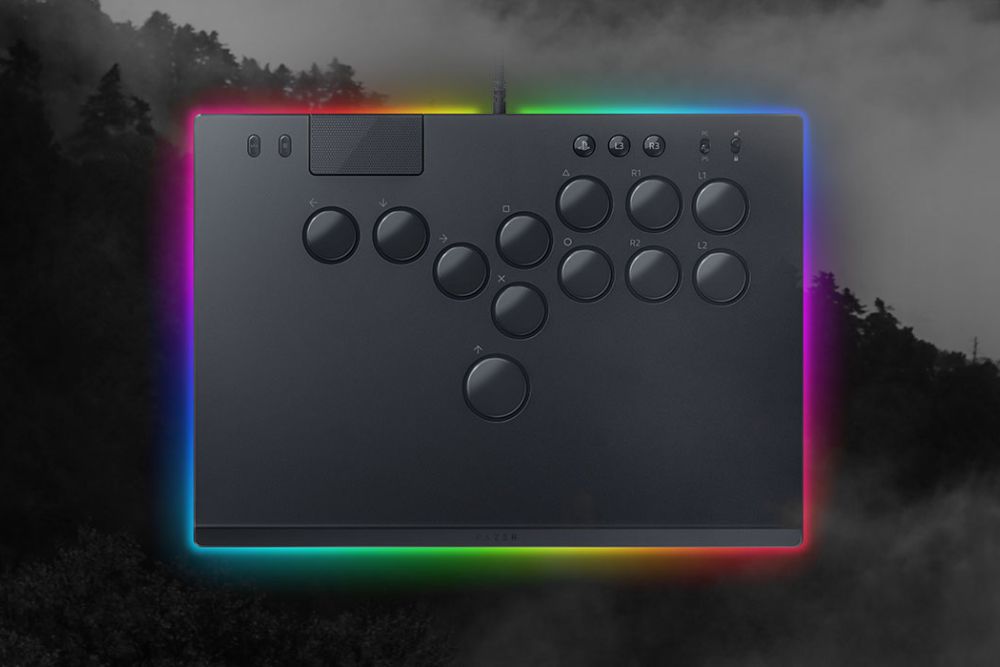
HyperX’s Clutch Tachi leverless controller utilizes TMR sensors in its magnetic switches, ensuring frame-perfect inputs for fighting game competitors. The technology guarantees zero drift and consistent performance over the controller’s entire lifespan. For fighting game players practicing complex combos for hours daily, this reliability translates directly to competitive advantage.
The mobile gaming sector embraced magnetic sensing with particular enthusiasm. GameSir’s collaboration with Hyperkin produced the X5 Alteron, a controller that solves one of emulation’s biggest headaches: button layout compatibility. The device features fully modular, hot-swappable face plates. Playing GameCube games requiring that giant green A button? Snap in the appropriate module. Switching to an Xbox-style shooter layout? Swap back to the standard configuration. The controller adapts to the game rather than forcing compromises.
8BitDo brought innovation to portrait-mode gaming with the FlipPad, a controller that attaches to a phone’s bottom and flips up, creating a classic clamshell handheld reminiscent of the Game Boy Advance SP. For one-handed RPGs and vertical shooters long ignored by controller manufacturers, this form factor finally provides comfortable, drift-free input.
Razer’s Wolverine V3 Bluetooth, developed in partnership with LG, focused on wireless latency rather than drift elimination. Targeting sub-3ms response times, it makes cloud gaming on television feel indistinguishable from local console play. The “world’s fastest wireless gaming controller” moniker reflects a broader industry recognition that input lag matters as much as graphical fidelity.
The message from CES 2026 is unmistakable: the era of disposable controllers is ending. Magnetic sensing technology delivers durability that matches the lifespan of the consoles they serve. For gamers, this means buying fewer replacements, experiencing fewer frustrations, and enjoying input that remains precise years after purchase. Perfected input controller isn’t just an incremental improvement—it’s a fundamental upgrade to the gaming experience.