
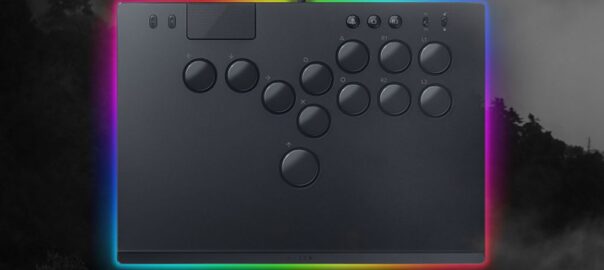
Walk onto the stage at any major fighting game tournament today, and you’ll notice something strange: many competitors aren’t using arcade sticks or standard gamepads. Instead, they’re tapping on flat panels of buttons resembling miniature keyboards. These “leverless” controllers have taken the competitive fighting game community by storm, and CES 2026 showcased the next generation of this specialized hardware.
The Rise of Leverless Controllers
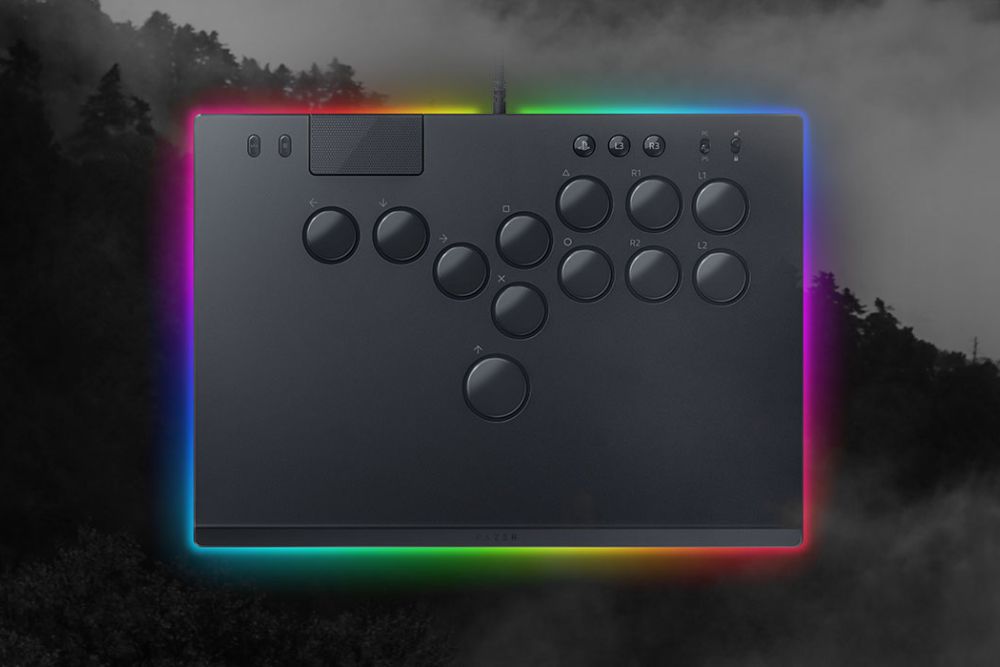

Leverless controllers abandon joysticks entirely. Directional inputs are mapped to buttons—typically the left hand handles movement via a cluster of keys, while the right hand manages attacks. This configuration enables techniques impossible on traditional hardware. As Chilean fighting game analyst and player Christian “Pochoclo23” Rosales explains, “By having direct access to all directions and being able to constantly switch stances, you can create very specific shortcuts and techniques that increase execution speed and effectiveness”.
The secret sauce involves SOCD (Simultaneous Opposite Cardinal Directions) cleaning—algorithms that interpret what should happen when a player presses left and right simultaneously. Tournament-legal leverless controllers implement specific SOCD rules that prevent unfair advantages while enabling techniques like perfect blocking and instant directional changes.
The Novablade Pro Wireless, unveiled at CES, represents the premium end of this emerging category. Licensed for PlayStation to avoid adapter-induced input lag, it features Hall Effect magnetic switches with Rapid Trigger technology for practically instantaneous response. The controller offers tri-mode connectivity (wired, 2.4GHz wireless, and Bluetooth), customizable RGB lighting, and aesthetic personalization options. At approximately €250, it’s positioned as a serious tool for serious competitors.
HyperX entered the leverless space with the Clutch Tachi, HP’s first Xbox-licensed arcade controller. Its premium leverless design combines magnetic switches with TMR (Tunnel Magnetoresistance) sensors—an evolution of Hall Effect technology that delivers even greater power efficiency and precision. Players can customize button mapping, adjust rapid trigger sensitivity, and even 3D print custom button shapes or top plate artwork through NGENUITY software. The fighting game community’s embrace of personalization suggests this DIY-friendly approach will resonate.
The appeal extends beyond professional players. Leverless controllers offer ergonomic benefits for gamers experiencing thumb fatigue from traditional gamepads. The button-based layout resembles typing, which many find more comfortable during long sessions. Additionally, the precision enables casual players to execute special moves consistently, lowering the barrier to enjoyment in complex fighting games.
Critics argue that leverless controllers represent an arms race, adding expense to an already costly hobby. But for players seeking every possible advantage, the technology delivers exactly what the name promises: execution without limits.